
Non-Owner DUI Insurance — Kansas
Free to compare
The Vehicle Problem After DUI Conviction
You sold the car after the DUI arrest, or your family member took it back, or the impound lot auctioned it for unpaid storage fees. You no longer own a vehicle. Kansas suspended your license anyway, and the Kansas Department of Revenue Division of Vehicles reinstatement letter says you must maintain continuous SR-22 proof of insurance for one year starting from reinstatement. The procedural trap: you cannot file SR-22 without an insurance policy, but traditional auto insurance requires a vehicle to insure.
Non-owner auto insurance is the tool built for this exact procedural blocker. It provides liability coverage for drivers who operate vehicles they do not own — rental cars, borrowed vehicles, employer-owned trucks — and critically, non-owner policies allow carriers to file SR-22 with the state on your behalf without requiring you to list or insure a specific vehicle. Kansas accepts non-owner SR-22 filings as valid proof of financial responsibility for reinstatement purposes.
“Non-owner policies file SR-22 with Kansas without requiring you to own or insure a specific vehicle — they break the procedural trap that blocks reinstatement.”
Compare Kansas Rates for Drivers With a DUI
Get My Kansas DUI Insurance Quote$200
Kansas DUI Reinstatement Fee
The Kansas Division of Vehicles charges $200 to reinstate a license suspended for DUI under K.S.A. 8-1002 administrative license suspension rules. This fee is separate from the cost of insurance and the SR-22 filing itself, which carriers charge as a small one-time administrative fee set by the carrier and state.
Kansas Department of Revenue Division of Vehicles
What Non-Owner Coverage Actually Provides
Non-owner policies carry state-minimum liability limits only. In Kansas that means $25,000 bodily injury per person, $50,000 bodily injury per accident, and $25,000 property damage per accident. The policy does not cover a vehicle you own, lease, or regularly use — those require standard auto insurance. It covers your legal liability when you drive someone else's car and cause an accident.
The policy includes personal injury protection (PIP) and uninsured motorist coverage because Kansas law requires those protections on all auto policies. Non-owner policies cost significantly less than standard auto insurance because carriers assume lower risk — no vehicle means no comprehensive or collision exposure, and statistically non-owner policyholders drive far fewer miles annually than vehicle owners.
The SR-22 filing attached to the policy is what satisfies Kansas reinstatement rules. Your carrier transmits the SR-22 certificate electronically to the Kansas Division of Vehicles, proving you maintain continuous liability coverage. Kansas requires SR-22 filing for one year following DUI-related license reinstatement, measured from the reinstatement date, not the conviction date. If your non-owner policy lapses or cancels during that year, the carrier notifies the state electronically and Kansas re-suspends your license immediately.
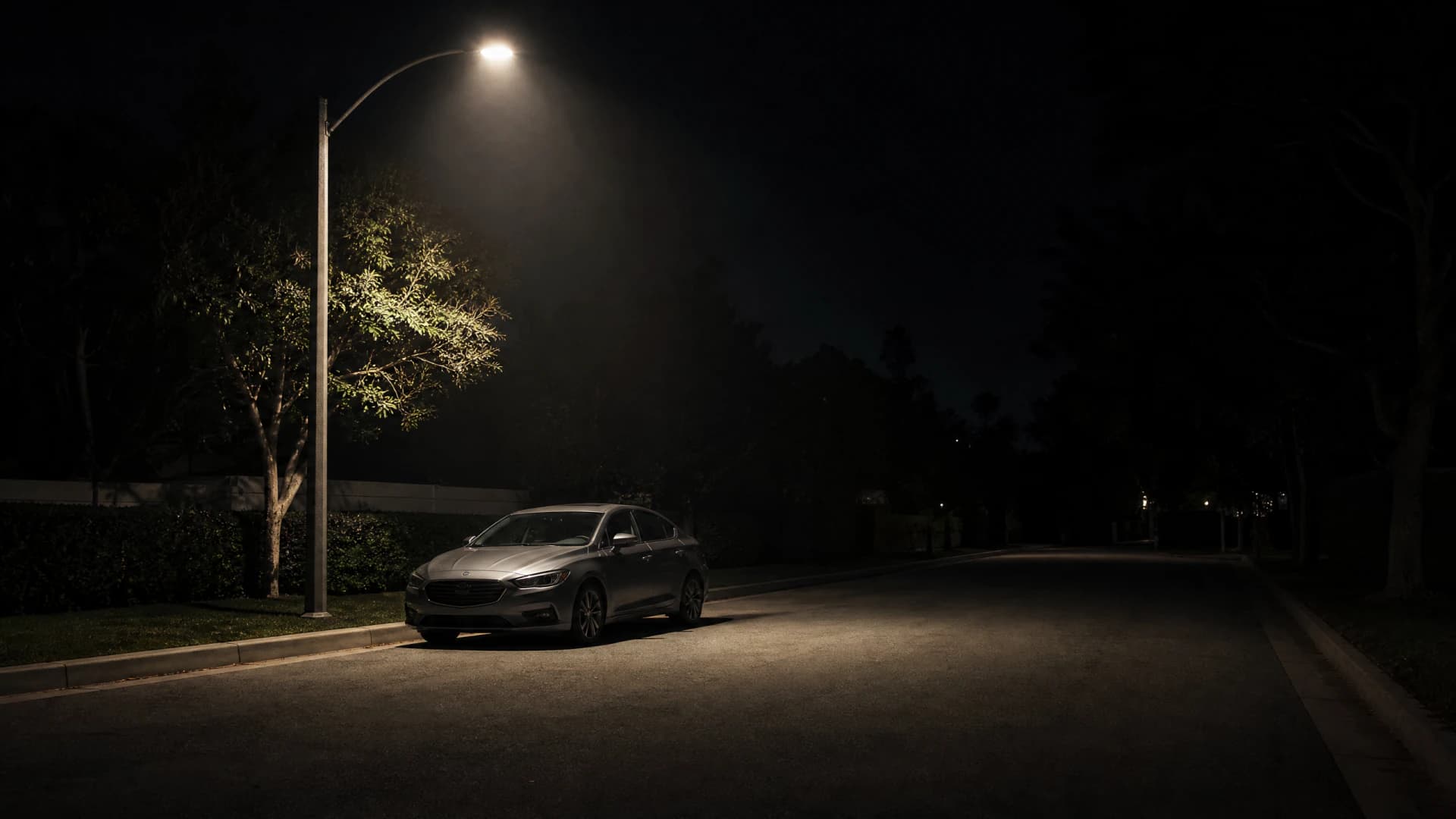
Non-owner SR-22 policies do not cover vehicles you own, lease, or drive regularly — borrowing a family member's car twice a week crosses into regular use and voids coverage.



Cost Structure and Payment Timing
Non-owner SR-22 policies for Kansas DUI-suspended drivers typically cost $300–$720 annually depending on age, county, exact suspension trigger details, and carrier underwriting tier. Monthly payment plans range from $25 to $60 per month. Carriers charge a one-time SR-22 filing fee — amount varies by carrier and state — in addition to the first month's premium.
Payment lapses trigger automatic SR-22 cancellation notices to the Kansas Division of Vehicles. Most carriers provide a short grace period (typically 10–15 days past the due date) before canceling the policy, but grace periods are not guaranteed and Kansas receives electronic notice immediately upon cancellation. The safest approach: set up automatic monthly payments or pay the full annual premium upfront to eliminate lapse risk during the one-year SR-22 filing period.
Reinstating a lapsed non-owner policy after cancellation requires starting a new policy, paying a new filing fee, and waiting for the new SR-22 to transmit to the state. Kansas treats the lapse as a gap in continuous coverage and may extend your required SR-22 filing period or impose additional reinstatement conditions depending on how long the lapse lasted.
1 year
Kansas DUI SR-22 Filing Period
Kansas requires continuous SR-22 proof of insurance for one year following DUI-related license reinstatement under K.S.A. 8-1002 and related administrative suspension statutes. The one-year period begins on the reinstatement date, not the conviction date or suspension start date. Any lapse in SR-22 coverage during that year triggers automatic re-suspension.
Kansas Department of Revenue Division of Vehicles

When Non-Owner Coverage Does Not Apply
Non-owner policies explicitly exclude coverage for vehicles you own, lease, or regularly use. If you buy a car during the SR-22 filing period, you must convert to a standard auto insurance policy with SR-22 attached — the non-owner policy becomes invalid the moment you take title or sign a lease. Borrowing a family member's car once a month falls under non-owner coverage; borrowing it three times a week crosses into regular use and most carriers will deny a claim if they discover the pattern.
Kansas requires ignition interlock device (IID) installation for DUI-related restricted driving privileges and reinstatement under K.S.A. 8-1015. Non-owner insurance does not solve the IID requirement — if the court or Kansas Division of Vehicles mandates IID as a condition of your restricted license or full reinstatement, you must install the device in any vehicle you operate, and you must have regular access to a vehicle that accepts the installation. Non-owner coverage and IID compliance are separate procedural requirements that both apply simultaneously for most Kansas DUI suspensions.
Compare Kansas Non-Owner SR-22 Carriers
Request quotes from at least three carriers that write non-owner SR-22 policies in Kansas and explicitly accept DUI-suspended drivers. Geico, Progressive, and Dairyland operate direct online quote tools; The General and National General accept online applications but may route high-risk profiles to phone underwriting. When requesting quotes, confirm the policy will include Kansas SR-22 filing at time of purchase — some carriers require a separate SR-22 request step after policy issuance, which delays the filing transmission to the state.
Licensed insurance brokers with access to non-standard carrier panels can compare multiple non-owner SR-22 options simultaneously and handle the filing coordination with Kansas on your behalf. Broker fees vary; some brokers collect commission from the carrier directly and charge the applicant nothing additional, while others charge a flat service fee for high-risk placements. Verify cost structure before authorizing the broker to bind coverage. Use the comparison tool on this site to identify Kansas-licensed carriers and brokers who write non-owner SR-22 policies for DUI-suspended drivers in your county.
Which Carriers Write Non-Owner SR-22 in Kansas
Geico, Progressive, Dairyland, The General, and National General all write non-owner policies in Kansas and accept SR-22 filings for DUI-suspended drivers. Geico and Progressive operate in the standard-tier market but maintain non-owner underwriting programs for drivers without vehicles. Dairyland and The General specialize in non-standard auto insurance and write high-risk profiles including post-DUI applicants as core business. National General operates in both tiers depending on driver profile.
State Farm writes SR-22 filings but does not consistently offer non-owner policies in Kansas — availability varies by agent and underwriting review. USAA writes non-owner SR-22 coverage but restricts eligibility to military members, veterans, and their immediate families. Bristol West writes non-standard auto insurance including SR-22 filings but non-owner product availability in Kansas is not confirmed through broker channels. When comparing non-owner quotes, verify directly with each carrier or a licensed broker that the policy will include Kansas SR-22 filing and that underwriting will accept a DUI suspension trigger.
Get Your Free Quote
Get My Kansas DUI Insurance QuoteFrequently Asked Questions
Can I get non-owner insurance in Kansas after a DUI suspension?
Yes. Geico, Progressive, Dairyland, The General, and National General all write non-owner SR-22 policies in Kansas for drivers suspended due to DUI. Non-owner coverage provides state-minimum liability insurance and allows the carrier to file SR-22 with the Kansas Division of Vehicles without requiring you to own a vehicle. Policies typically cost $25–$60 per month.
How long do I need to keep SR-22 insurance in Kansas after a DUI?
Kansas requires continuous SR-22 filing for one year following DUI-related license reinstatement under K.S.A. 8-1002. The one-year period begins on your reinstatement date, not your conviction or suspension date. If your policy lapses or cancels during that year, Kansas re-suspends your license immediately upon receiving electronic notice from your carrier.
Does non-owner insurance cover me if I borrow a car in Kansas?
Yes, but only for occasional use. Non-owner policies cover your liability when you drive vehicles you do not own, lease, or regularly use — rental cars, borrowed vehicles, or employer-owned vehicles. Borrowing a family member's car once or twice a month qualifies as occasional; borrowing it three times a week crosses into regular use and most carriers will deny claims if they discover the pattern.
What happens if my non-owner SR-22 policy lapses in Kansas?
Your carrier notifies the Kansas Division of Vehicles electronically when your policy lapses or cancels. Kansas re-suspends your license immediately and may extend your required SR-22 filing period or impose additional reinstatement conditions depending on the lapse duration. Reinstating coverage requires starting a new policy, paying a new filing fee, and waiting for the new SR-22 to transmit to the state.
Can I switch from non-owner to regular auto insurance during my SR-22 period in Kansas?
Yes. If you buy or lease a vehicle during your one-year SR-22 filing period, you must convert to a standard auto insurance policy with SR-22 attached. Your non-owner policy becomes invalid the moment you take title or sign a lease. Notify your carrier immediately to transfer the SR-22 filing to the new policy and avoid a coverage gap that would trigger re-suspension.
Do all Kansas insurance companies offer non-owner SR-22 policies?
No. Geico, Progressive, Dairyland, The General, and National General are confirmed to write non-owner SR-22 policies for Kansas DUI-suspended drivers. State Farm availability varies by agent. USAA restricts non-owner coverage to military members and their families. Allstate, American Family, and Farmers do not consistently offer non-owner products in Kansas. Always verify directly with the carrier that they will file Kansas SR-22 and accept DUI-suspended applicants.