
DUI Insurance with Expired License — Kansas
Free to compare
The Dual Reinstatement Problem
You received a DUI suspension in Kansas, let the suspension period run its course without taking action, and now your driver's license has expired on top of being suspended. You're trying to figure out whether you need insurance to get the license back, and whether paying for SR-22 counts as having active coverage when you can't legally drive. Kansas treats the expired license as a separate administrative action from the DUI suspension, which means you face two reinstatement procedures with two separate fees.
The confusion comes from the fact that SR-22 is not insurance itself — it's a certificate filed by an insurer proving you carry liability coverage meeting state minimums. You cannot file SR-22 without buying a policy first. That policy can be a standard auto policy if you own a vehicle, or a non-owner SR-22 policy if you don't. Either way, the coverage must be active and the SR-22 must be on file with the Kansas Department of Revenue Division of Vehicles before you can move forward on either the DUI reinstatement or the expired-license renewal.
“Kansas treats the expired license as a separate administrative action from the DUI suspension — you face two reinstatement procedures with two separate fees.”

Compare Kansas Rates for Drivers With a DUI
Get My Kansas DUI Insurance Quote$250 total
Kansas Dual Reinstatement Cost
Kansas charges $200 to reinstate after a DUI suspension and $50 to renew an expired license. Both fees are due before you can drive legally again, and the SR-22 filing must be active before the Division of Vehicles will process either reinstatement.
Kansas Department of Revenue, Division of Vehicles
What SR-22 Actually Does in This Situation
SR-22 is a certificate your insurance carrier files electronically with the Kansas Division of Vehicles proving you carry at least the state's minimum liability limits: $25,000 per person for bodily injury, $50,000 per accident for bodily injury, $25,000 for property damage, plus Personal Injury Protection and uninsured motorist coverage as required by Kansas law. The state requires SR-22 for one year following DUI reinstatement, measured from the date your driving privileges are restored.
The SR-22 filing itself is not coverage. You must buy a liability policy first, then request the SR-22 certificate from that carrier. The carrier charges a small one-time filing fee set by the carrier and state, then transmits the certificate to the Division of Vehicles electronically. As long as your policy remains active and you pay premiums on time, the SR-22 stays on file. If your policy lapses or cancels, the carrier is required to notify the state immediately, which triggers automatic re-suspension of your driving privileges.
Because your license is both suspended and expired, you cannot drive even if you buy the policy and file SR-22 today. The SR-22 proves financial responsibility so the state will allow reinstatement to proceed — it does not restore your license on its own.

Kansas will not process your DUI reinstatement or your expired-license renewal until SR-22 is on file with the Division of Vehicles. You cannot pay one fee and skip the other.




Ignition Interlock Requirement for Kansas DUI
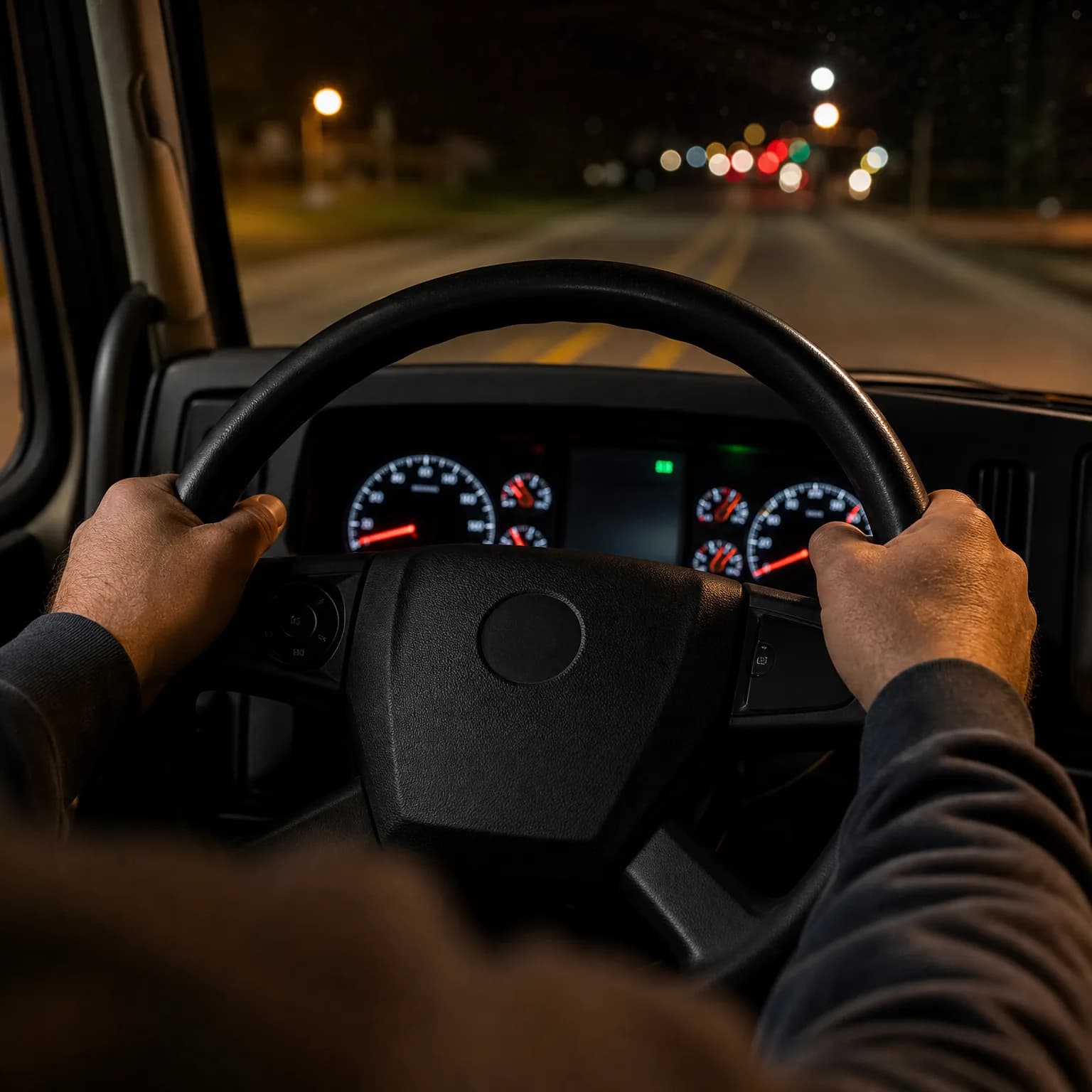
Kansas law requires installation of an ignition interlock device on any vehicle you operate as a condition of reinstatement or restricted driving privileges following a DUI conviction. This applies whether you are reinstating after the full suspension period or applying for a restricted license during suspension. The IID requirement is separate from SR-22 — you need both.
The ignition interlock device is a breath-testing unit wired into your vehicle's ignition system. You must provide a breath sample before the engine will start, and periodically while driving, to prove you have not consumed alcohol. Kansas administers the IID program through the Division of Vehicles, and only state-approved IID providers may install and service the device. You are responsible for the cost of installation, monthly monitoring fees, and removal once the required period ends.
If you are applying for a restricted license to drive during your suspension period, the court will specify IID installation as a condition of approval. If you are reinstating after the suspension has ended, the Division of Vehicles will require proof of IID installation before processing your reinstatement. Driving without the required IID while under a reinstatement order that mandates it is a separate criminal offense in Kansas and will trigger immediate re-suspension.
1 year
Kansas SR-22 Filing Period
Kansas requires SR-22 to remain on file for one year following DUI reinstatement. The one-year period starts when your license is reinstated, not when you first file the SR-22. Any lapse in coverage during that year triggers automatic re-suspension.
Kansas Revised Statutes

Non-Owner SR-22 If You Sold Your Vehicle
Many Kansas drivers sell their vehicle during a DUI suspension because they cannot drive it and do not want to pay for full coverage on a parked car. If you no longer own a vehicle but need SR-22 to reinstate your license, a non-owner SR-22 policy is the correct product. This policy provides liability coverage when you drive a vehicle you do not own — a borrowed car, a rental, or a car you plan to buy after reinstatement — and includes the SR-22 certificate the state requires.
Non-owner policies are typically less expensive than standard auto policies because they do not cover a specific vehicle for collision or comprehensive damage. You are paying only for liability protection and the SR-22 filing. Once your license is reinstated and you buy or lease a vehicle, you will need to switch to a standard auto policy that includes SR-22 and covers the vehicle itself. The SR-22 filing period continues uninterrupted when you switch policies, as long as there is no gap in coverage.
Compare Kansas Carriers That Write DUI and SR-22
Not all insurers write policies for drivers with a DUI conviction on record, and among those that do, rates vary significantly based on your age, county, and whether you need a standard policy or a non-owner policy. Carriers writing SR-22 and non-owner SR-22 in Kansas include Geico, Progressive, State Farm, The General, Dairyland, Bristol West, and National General. Some operate through captive agents; others allow online quotes.
When comparing carriers, confirm that the quote includes SR-22 filing and that the carrier can file electronically with the Kansas Division of Vehicles. Verify the total premium, the filing fee, and whether the policy includes Personal Injury Protection and uninsured motorist coverage as required by state law. Request confirmation of the SR-22 filing date in writing so you can track when the one-year maintenance period begins. Start comparing rates now — most carriers can bind coverage and file SR-22 within 24 to 48 hours of your application, which means you can move quickly once you are ready to pay the reinstatement fees and resolve the expired-license issue.
The Reinstatement Sequence You Must Follow
First, buy a liability insurance policy from a carrier licensed to write in Kansas that also offers SR-22 filing services. If you own a vehicle, buy a standard auto policy. If you do not own a vehicle, buy a non-owner SR-22 policy — this gives you liability coverage when driving a borrowed or rented car and satisfies the state's proof-of-financial-responsibility requirement without insuring a specific vehicle. Request the SR-22 certificate at the time of purchase. The carrier will file it electronically with the Division of Vehicles, typically within one to three business days.
Second, wait for confirmation that the SR-22 is on file. Some carriers provide a filing confirmation number; others rely on the state's electronic verification system. Do not proceed to the Division of Vehicles until you have verbal or written confirmation that the SR-22 has been received. Third, pay both reinstatement fees: $200 for the DUI suspension and $50 for the expired license. Kansas requires both fees before restoring your driving privileges. You may also need to complete a drug and alcohol evaluation and any court-ordered DUI education classes if those were part of your original sentence — verify with the court that issued your DUI conviction.
Get Your Free Quote
Get My Kansas DUI Insurance QuoteFrequently Asked Questions
Can I renew my expired Kansas license before reinstating my DUI suspension?
No. Kansas requires SR-22 on file and payment of both the $200 DUI reinstatement fee and the $50 expired-license fee before restoring your driving privileges. The Division of Vehicles will not process the expired-license renewal until the DUI suspension is resolved.
Does SR-22 count as active insurance in Kansas?
SR-22 is a certificate proving you carry active liability insurance meeting state minimums. You must buy a policy first, then request the SR-22 filing from that carrier. The SR-22 itself is not insurance — it is proof that your policy is active and meets Kansas requirements.
How long does Kansas require SR-22 after a DUI?
Kansas requires SR-22 to remain on file for one year following reinstatement. The one-year period starts when your license is reinstated, not when you first file the SR-22. Any lapse in coverage during that year triggers automatic re-suspension of your driving privileges.
What happens if my SR-22 lapses during the one-year Kansas filing period?
If your insurance policy cancels or lapses, your carrier is required to notify the Kansas Division of Vehicles electronically. The state will automatically re-suspend your driving privileges. You must file a new SR-22 and pay reinstatement fees again to restore your license.
Do I need a non-owner SR-22 policy if I don't own a car in Kansas?
Yes. If you do not own a vehicle but need SR-22 to reinstate your license, a non-owner SR-22 policy provides liability coverage when driving a borrowed or rented vehicle and includes the SR-22 certificate Kansas requires. You cannot file SR-22 without an active policy.
Can I drive in Kansas with just SR-22 on file if my license is still suspended?
No. SR-22 proves financial responsibility so the state will allow reinstatement to proceed. It does not restore your license. You cannot drive legally until you pay both reinstatement fees, complete any court-ordered requirements, and receive confirmation from the Division of Vehicles that your license is active.