
Emergency Insurance After a DUI — Kansas
Free to compare
The 30-Day Window You Didn't Know Started
Kansas triggers an Administrative License Suspension the moment you're arrested for DUI under K.S.A. 8-1002. The Kansas Department of Revenue Division of Vehicles mails you a notice of suspension within days, and that notice starts a 30-day hard suspension period during which you cannot drive at all—unless you file for restricted driving privileges and obtain SR-22 proof of insurance before the 30 days expire. Most drivers assume they have time to handle insurance after court. The suspension clock runs from arrest date, not conviction date.
You need proof of insurance for two separate obligations: immediate coverage to show the court at your arraignment or pretrial hearing, and SR-22 filing to the Kansas Division of Vehicles if you want restricted driving privileges after the 30-day hard period. The court wants proof you're insured. The state wants proof a carrier has filed SR-22 on your behalf. These are not the same document, but they come from the same policy.
“Kansas counts your suspension from arrest date, not conviction—filing SR-22 after court means you've already lost weeks of restricted-driving eligibility.”

Compare Kansas Rates for Drivers With a DUI
Get My Kansas DUI Insurance Quote30 days
Kansas DUI Hard Suspension
Under K.S.A. 8-1002, first-offense DUI triggers a 30-day period during which you cannot drive at all unless you obtain restricted driving privileges with ignition interlock device and SR-22 filing. The 30 days start from arrest date, not conviction.
K.S.A. 8-1002 (Administrative License Suspension)
What Standard Carriers Will and Won't Write Same-Day
State Farm, Geico, and Progressive write DUI policies in Kansas, but not all will bind coverage the same day you apply. Geico and Progressive offer online quotes and can issue policies immediately for drivers with a DUI arrest but no conviction yet. State Farm requires an agent appointment and may delay binding until underwriting reviews your MVR, which can take 2-5 business days. If you need proof of insurance for a court date within 72 hours, Geico and Progressive are your fastest paths.
Dairyland and The General specialize in high-risk drivers and write same-day policies after DUI arrest. Dairyland operates in Kansas and files SR-22 electronically to the Division of Vehicles within 24 hours of policy binding. National General also writes post-DUI coverage and can issue same-day, though their Kansas rates run higher than Dairyland for drivers under 30. Bristol West writes SR-22 policies in Kansas but typically requires 1-2 business days for underwriting approval after DUI arrest.
Standard carriers like Allstate, Farmers, and Travelers do not write new policies for drivers with pending DUI charges in Kansas. They may retain existing customers through renewal if the DUI occurs mid-policy term, but they will not bind new coverage until the criminal case resolves. If you were uninsured at the time of arrest, you cannot use these carriers for emergency coverage.

Kansas counts your DUI suspension period from arrest date, not conviction. Filing SR-22 after conviction means you've already lost weeks of restricted-driving eligibility.

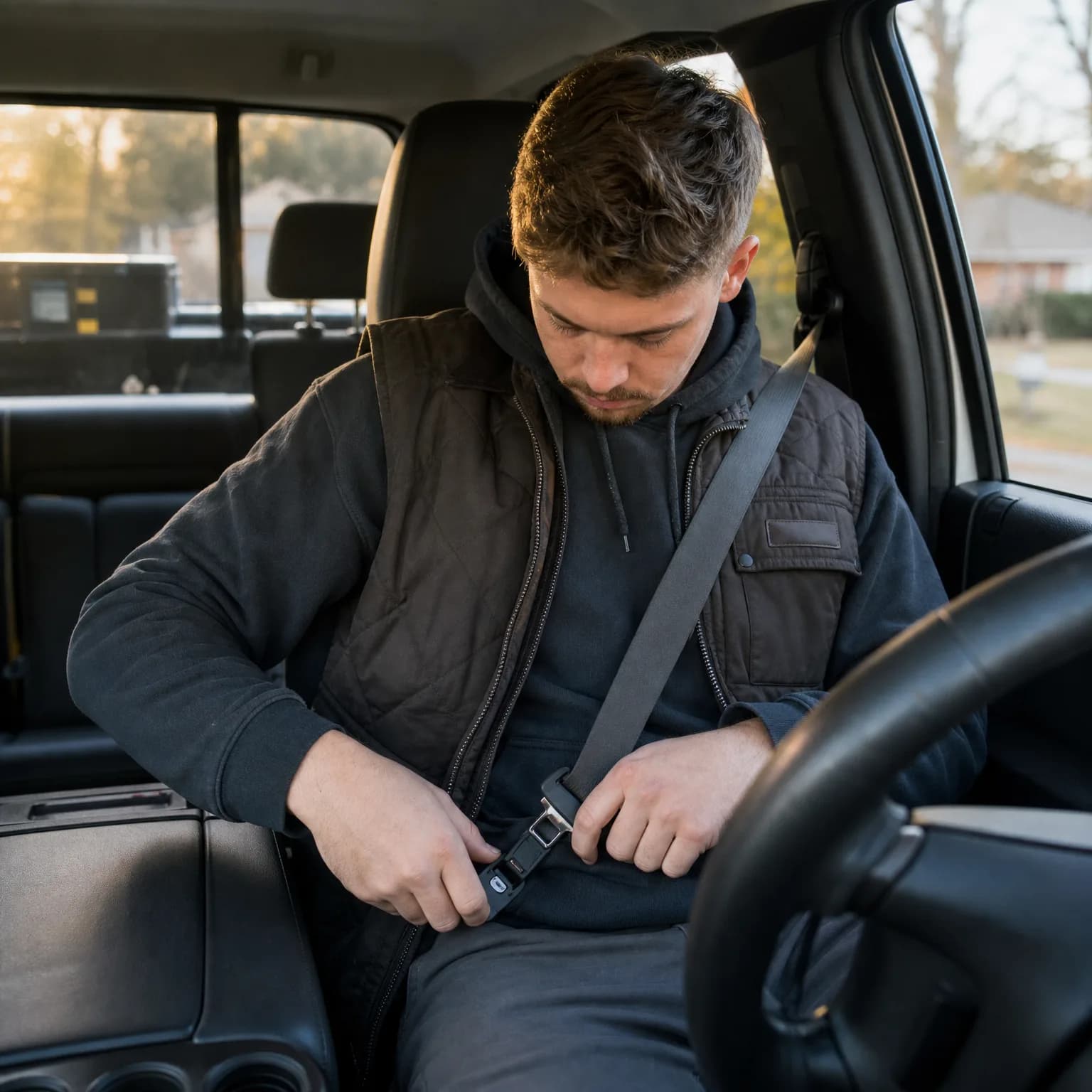




SR-22 Filing Timing and Restricted License Eligibility
Kansas requires SR-22 on file with the Division of Vehicles before you can petition the court for restricted driving privileges. The SR-22 is not insurance—it's a certificate your carrier files electronically to confirm you're carrying at least Kansas minimum liability limits: $25,000 bodily injury per person, $50,000 per accident, $25,000 property damage, plus PIP and uninsured motorist coverage as required by state law. Your carrier files SR-22 within 24 hours of binding your policy. The state processes the filing within 1-3 business days.
Restricted driving privileges are granted by the district court, not by the Division of Vehicles. You must file a petition with the court where your DUI case is pending, provide proof of SR-22 filing, and show that an approved ignition interlock device provider has installed an IID in the vehicle you will drive. The court sets the scope of your restricted license: allowed hours, approved destinations (typically work, school, medical, IID service appointments, court-ordered obligations), and any additional conditions. Violating the restricted license terms—driving outside allowed hours, driving without the IID, or driving to non-approved locations—triggers automatic revocation and extends your suspension period.
Filing SR-22 before the 30-day hard period expires does not let you drive during those 30 days, but it positions you to apply for restricted privileges the moment the hard period ends. Waiting until day 31 to file SR-22 means you lose another 3-5 days waiting for state processing before you can even petition the court. The fastest path: bind coverage and file SR-22 within the first week after arrest, petition the court for restricted privileges on day 25, and have the IID installed by day 30 so you're eligible to drive under restriction the moment the hard period expires.
$200
Kansas DUI Reinstatement Fee
After completing your suspension period and satisfying all court-ordered conditions, Kansas charges a $200 reinstatement fee to restore your license. This fee is separate from SR-22 filing costs and IID rental fees.
Kansas Department of Revenue Division of Vehicles

What Happens If You Miss the SR-22 Window
Missing the 30-day window means you cannot apply for restricted driving privileges until you file SR-22 and wait for state processing. Kansas does not backdate restricted privileges. If you file SR-22 on day 45, your restricted license eligibility starts on day 48 (after processing), not day 31. You've lost 17 days of potential restricted driving. For drivers whose job requires commuting or whose employer will not hold a position open indefinitely, those 17 days can mean termination.
Letting SR-22 lapse during your 3-year maintenance period triggers automatic re-suspension. Kansas carriers are required to notify the Division of Vehicles electronically when your policy cancels for non-payment or when you request cancellation. The state suspends your license immediately upon receiving the lapse notice—no grace period, no warning letter. Reinstatement after SR-22 lapse requires paying the $50 reinstatement fee, filing new SR-22, and restarting the 3-year clock from the date of reinstatement, not from your original filing date.
Compare Carriers Who Write Kansas DUI Coverage
Geico, Progressive, and Dairyland offer online quoting for Kansas DUI policies and can bind same-day. Monthly premiums for a 30-year-old male driver with first-offense DUI in Wichita typically run $140–$220/month for minimum liability plus SR-22 filing. Dairyland rates skew lower for drivers under 35; Progressive rates skew lower for drivers over 40. State Farm and USAA write Kansas DUI coverage but require agent contact and underwriting review, adding 2-5 business days to the process. Estimates based on available industry data; individual rates vary by driving history, vehicle, coverage selections, and location.
Start with Geico and Progressive for immediate online quotes. If their rates exceed $200/month, request a Dairyland quote through an independent agent—Dairyland does not offer direct online quoting but typically delivers agent quotes within 4 hours during business days. The General writes Kansas SR-22 policies and offers same-day binding, but their rates for first-offense DUI run 15–25% higher than Dairyland in most Kansas counties. Compare at least three carriers before binding. The difference between the highest and lowest quote for the same coverage often exceeds $600/year.
How Kansas Dual-Track DUI Suspension Works
The administrative track starts immediately. Kansas Department of Revenue Division of Vehicles receives notice of your arrest from law enforcement and mails you a suspension notice within 5-10 days. First-offense ALS is 30 days hard suspension followed by 330 days of restricted driving privileges if you petition the court and install an ignition interlock device. The 30-day hard period cannot be shortened—no restricted license applies during those first 30 days. After 30 days, you can apply for restricted privileges covering work, school, medical appointments, and other court-approved purposes, but only if you have SR-22 on file and an IID installed in your vehicle.
The criminal court track runs in parallel. If you're convicted of DUI, the court imposes a separate suspension as part of sentencing: typically 30 days to 1 year depending on BAC level and prior offenses. This court suspension runs concurrently with the administrative suspension in most cases, but if you complete a diversion agreement, the court may not impose a suspension at all. The administrative suspension still applies—diversion affects the criminal case, not the Division of Vehicles action. You must satisfy both the DOR reinstatement requirements (SR-22, fees, IID) and any court-ordered conditions before full privileges are restored.
Get Your Free Quote
Get My Kansas DUI Insurance QuoteFrequently Asked Questions
Do I need SR-22 immediately after a Kansas DUI arrest?
You need SR-22 filed with the Kansas Division of Vehicles before you can petition the court for restricted driving privileges after the 30-day hard suspension period. Filing SR-22 during the first week after arrest positions you to apply for restricted privileges the moment the hard period ends on day 31. Waiting until after conviction means you lose weeks of potential restricted driving eligibility.
Can I get car insurance the same day after a DUI in Kansas?
Geico, Progressive, and Dairyland write Kansas DUI policies and can bind coverage the same day you apply. Geico and Progressive offer online quoting with immediate binding. Dairyland requires an agent but typically delivers quotes within 4 hours during business days and binds same-day once you accept the quote.
How long does Kansas require SR-22 after DUI?
Kansas requires SR-22 filing for 3 years after DUI reinstatement, measured from the date your license is reinstated, not from the date of arrest or conviction. If your SR-22 lapses during the 3-year period due to non-payment or policy cancellation, Kansas re-suspends your license immediately and restarts the 3-year clock from the new reinstatement date.
What is the difference between Kansas administrative suspension and court suspension for DUI?
Kansas runs two parallel suspension tracks after DUI. The administrative suspension is imposed by the Division of Vehicles immediately after arrest under K.S.A. 8-1002: 30 days hard suspension followed by 330 days restricted eligibility. The criminal court suspension is imposed at sentencing if you're convicted. Both must be satisfied before full driving privileges are restored, and diversion agreements affect only the criminal case, not the administrative suspension.
Can I drive to work during the 30-day hard suspension in Kansas?
No. Kansas law does not allow restricted driving privileges during the first 30 days of a first-offense DUI administrative suspension. After the 30-day hard period expires, you can petition the district court for restricted driving privileges if you have SR-22 on file and an ignition interlock device installed. The court sets the allowed hours and destinations.
Do I need an ignition interlock device for restricted driving in Kansas after DUI?
Yes. Kansas requires ignition interlock device installation as a condition of restricted driving privileges after DUI suspension under K.S.A. 8-1015. You must use an approved IID provider, install the device before petitioning the court for restricted privileges, and maintain the device for the duration of your restricted license period. Driving without the IID or tampering with the device triggers automatic revocation.
What happens if I let my SR-22 lapse in Kansas?
Kansas re-suspends your license immediately when your carrier notifies the Division of Vehicles of a policy cancellation or lapse. There is no grace period. Reinstatement requires paying a $50 reinstatement fee, filing new SR-22, and restarting the 3-year SR-22 maintenance period from the new reinstatement date, not from your original filing date.