
SR-22 Insurance Cost After DUI — Kansas
Free to compare
Why SR-22 Filing Alone Won't Get You Driving
You received a DUI arrest in Kansas, and now you're searching for SR-22 insurance quotes hoping that buying coverage will get you back on the road. The structural reality: SR-22 is required, but it's only one piece of a multi-part reinstatement process that involves two separate suspension systems running simultaneously. Kansas operates dual-track DUI enforcement — the Kansas Department of Revenue Division of Vehicles imposes an Administrative License Suspension (ALS) under implied consent law (K.S.A. 8-1002), while the criminal court imposes a separate judicial suspension as part of sentencing.
Most drivers assume paying for SR-22 coverage satisfies both tracks. It does not. The administrative suspension requires SR-22 proof of insurance, but the court suspension requires a separate petition for restricted driving privileges, ignition interlock device installation, and court approval before you can drive legally. You can satisfy the insurance requirement and still face a hard suspension period where no driving is permitted at all. Understanding which track you're in and what each requires determines when you can actually get behind the wheel again.
“SR-22 satisfies KDOR's insurance requirement, but the court must separately approve restricted driving privileges before you can drive.”

Compare Kansas Rates for Drivers With a DUI
Get My Kansas DUI Insurance Quote30 days
Kansas First-Offense ALS Hard Period
First-offense DUI administrative suspension under K.S.A. 8-1002 begins with a mandatory 30-day hard suspension during which no driving privileges are available. After 30 days, you become eligible for 330 days of restricted driving privileges — but only if you meet specific court and KDOR requirements.
K.S.A. 8-1002, Kansas Department of Revenue Division of Vehicles
How Kansas DUI Suspensions Actually Work
The administrative track starts the moment you're arrested. If you refuse the breath test or test above .08 BAC, KDOR automatically suspends your license under implied consent law. First offense: 30 days hard suspension, then 330 days restricted. Second offense: 1 year hard suspension with no restricted privileges available. This suspension runs whether or not you're convicted in criminal court.
The judicial track starts when the court convicts you. The judge imposes a separate suspension as part of sentencing. This suspension runs concurrently with the administrative suspension, but it has its own reinstatement requirements. You must satisfy both KDOR's administrative reinstatement conditions (SR-22 filing, fees, ignition interlock compliance) and the court's judicial conditions (completion of alcohol education, payment of fines, proof of restricted license compliance) before full driving privileges are restored.
Kansas allows DUI diversion agreements that can affect the judicial track — if you complete diversion successfully, you may avoid conviction and the judicial suspension. But diversion does not eliminate the administrative ALS suspension. KDOR's administrative suspension runs regardless of diversion status. You still face the 30-day hard period and the 330-day restricted period even if you're enrolled in diversion.
This dual-track structure creates confusion because satisfying one track does not satisfy the other. Drivers who pay KDOR's reinstatement fee and file SR-22 assume they're clear to drive, then discover the court still requires restricted license approval and ignition interlock installation. You need to address both systems separately.
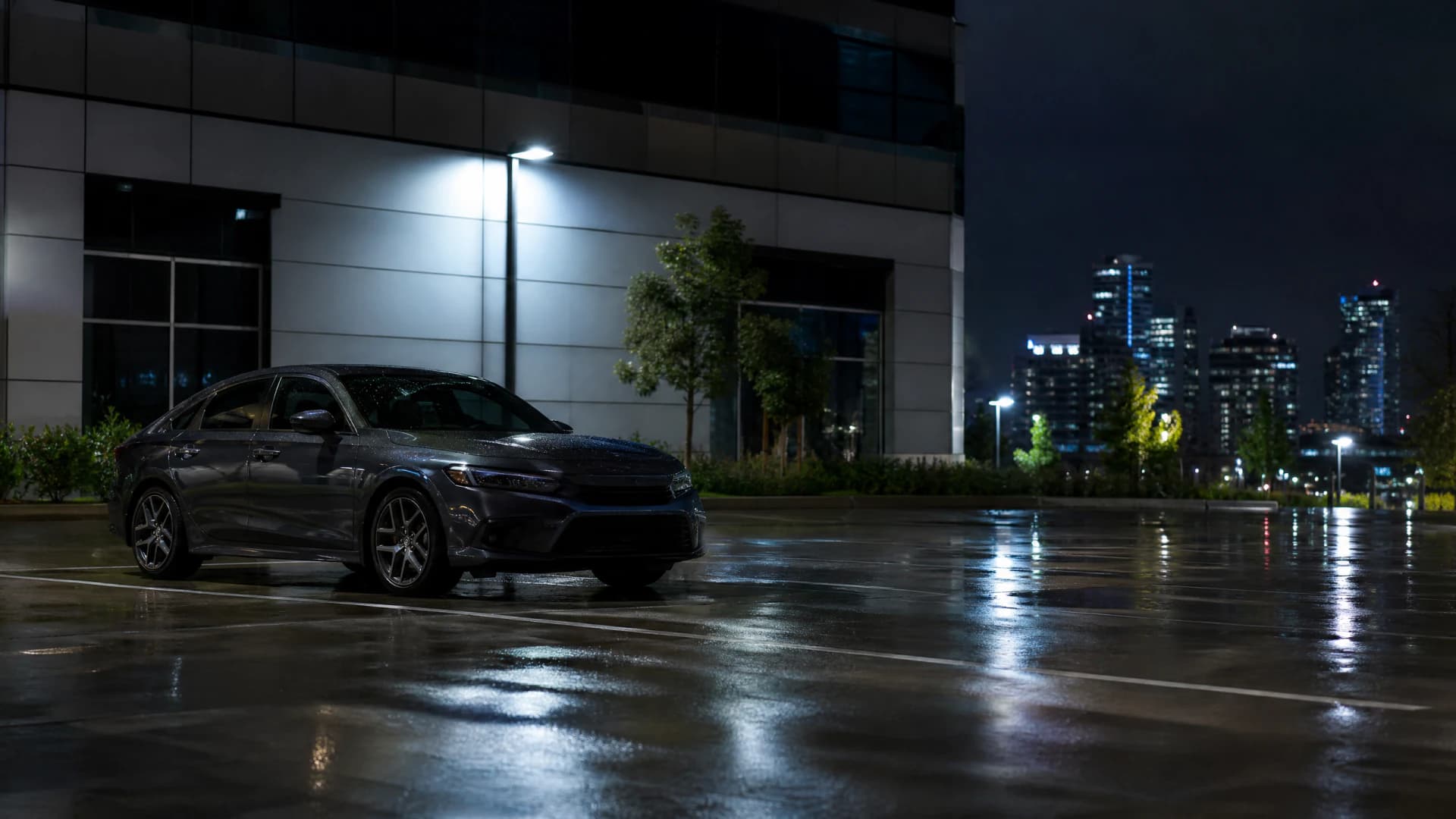
SR-22 proof of insurance satisfies KDOR's requirement, but the court must separately approve restricted driving privileges before you can legally drive during the restricted period.



SR-22 Insurance Costs After Kansas DUI
SR-22 is not a separate insurance product. It's a form your insurer files with KDOR certifying that you carry at least Kansas minimum liability coverage: $25,000 bodily injury per person, $50,000 bodily injury per accident, $25,000 property damage, plus required PIP and uninsured motorist coverage. Most carriers charge a one-time SR-22 filing fee of $25 to $50. The real cost is the premium increase that comes from being classified as high-risk after a DUI conviction.
Kansas DUI drivers typically pay $140 to $260 per month for liability coverage with SR-22 filing, compared to $70 to $110 per month for drivers with clean records. Estimates based on available industry data; individual rates vary by age, county, prior insurance history, and whether you're filing as a vehicle owner or non-owner. Carriers writing SR-22 in Kansas include Geico, Progressive, The General, State Farm, Dairyland, Bristol West, and National General. Not all carriers write DUI cases — State Farm and Geico may decline new policies for recent DUI convictions, forcing you into non-standard carriers like The General, Dairyland, or Bristol West where rates run higher.
Non-owner SR-22 policies cover drivers who don't own a vehicle but need to satisfy KDOR's insurance requirement during suspension. Non-owner liability typically costs $40 to $90 per month with SR-22 filing in Kansas. This option works if you're using a family member's vehicle with their permission or relying on rideshare during the restricted period. Geico, Progressive, Dairyland, The General, and USAA all write non-owner SR-22 in Kansas.
$200
Kansas DUI Reinstatement Fee
Kansas charges a $200 reinstatement fee for DUI-related suspensions, separate from the $50 base fee. You pay this to KDOR before full driving privileges are restored. The fee is non-refundable and required even if you've maintained restricted driving privileges throughout the suspension period.
Kansas Department of Revenue Division of Vehicles

Ignition Interlock Device Requirements
Kansas law requires ignition interlock device installation for all DUI-related restricted driving privileges and full reinstatement. The IID prevents the vehicle from starting if it detects alcohol on your breath. Installation typically costs $75 to $150, with monthly monitoring and calibration fees of $60 to $90. You're responsible for all IID costs — no state subsidy exists for device expenses.
Kansas administers its IID program through the Division of Vehicles. You must use a KDOR-approved IID provider; installing a non-approved device does not satisfy the requirement. Approved providers report compliance data directly to KDOR. Missing calibration appointments, attempting to bypass the device, or recording BAC violations triggers automatic suspension revocation. The court or KDOR can extend your IID requirement if you accumulate violations during the restricted period.
Compare Kansas SR-22 Carriers Now
Start with carriers confirmed to write SR-22 in Kansas: Geico and Progressive for standard-tier placement if your DUI is older than two years and you have no other violations; The General, Dairyland, and Bristol West for non-standard placement if your DUI is recent or you have multiple violations. Request quotes from at least three carriers — rate variance between standard and non-standard tiers can exceed $100 per month for identical coverage limits. Provide your exact conviction date, BAC at arrest, and whether you need vehicle-owner or non-owner coverage when requesting quotes. Misrepresenting your status delays filing and extends your suspension period.
What Restricted Driving Privileges Actually Cover
Restricted privileges typically allow travel between home and work, home and school, medical appointments, court-ordered alcohol education classes, and ignition interlock service appointments. The court sets the specific hours and routes at the time of approval. You cannot drive outside those approved purposes or hours. Violating the restrictions triggers automatic revocation and possible criminal charges for driving under suspension.
To petition for restricted privileges, you must provide proof of employment or necessity (letter from employer or school), SR-22 proof of insurance, and confirmation that an ignition interlock device is installed in the vehicle you'll drive. The court reviews the petition and decides whether to grant restricted privileges. Not all petitions are approved — unpaid fines, failure to enroll in required alcohol education, or prior violations can result in denial. Kansas law (K.S.A. 8-1015) requires ignition interlock installation as a condition of any restricted driving privileges for DUI-related suspensions.
Get Your Free Quote
Get My Kansas DUI Insurance QuoteFrequently Asked Questions
Do I need SR-22 if I'm not driving during my Kansas DUI suspension?
Yes. Kansas requires continuous SR-22 coverage during the entire suspension period even if you're not driving. Letting SR-22 lapse triggers automatic re-suspension and restarts your restricted period from day one. If you don't own a vehicle, file non-owner SR-22 to maintain compliance.
How long do I need to maintain SR-22 after a Kansas DUI?
Kansas typically requires SR-22 for one year after reinstatement for DUI-related suspensions, though courts may extend this period based on your case. The filing period starts from reinstatement date, not conviction date. Your carrier notifies KDOR when the SR-22 period ends.
Can I get restricted driving privileges during the 30-day hard suspension in Kansas?
No. The 30-day hard suspension period under K.S.A. 8-1002 allows no driving privileges at all. After 30 days, you become eligible to petition the court for restricted privileges, but approval is not automatic and requires SR-22 proof of insurance and ignition interlock installation.
What happens if my SR-22 lapses during my Kansas restricted period?
KDOR automatically re-suspends your license the day your carrier reports the lapse. Your restricted driving privileges are revoked immediately, and you must refile SR-22 and pay reinstatement fees again to restore them. The lapse restarts your restricted period from the beginning.
Does Kansas DUI diversion eliminate the SR-22 requirement?
No. Diversion may avoid the judicial suspension if completed successfully, but it does not eliminate the administrative ALS suspension imposed by KDOR under K.S.A. 8-1002. You still face the 30-day hard period, 330-day restricted period, and SR-22 filing requirement under the administrative track.
Can I use my employer's vehicle with restricted driving privileges in Kansas?
Yes, if the court approves work-related travel and an ignition interlock device is installed in your employer's vehicle. You must provide proof that your employer consents to IID installation. Many employers decline because of IID costs and liability concerns.
How much does ignition interlock cost in Kansas for DUI cases?
Installation typically costs $75 to $150, with monthly monitoring and calibration fees of $60 to $90. Total cost over a one-year restricted period runs approximately $850 to $1,230. Kansas does not subsidize IID costs; you pay all expenses out of pocket.