
Non-Owner SR-22 for a Restricted License — Kansas
Free to compare
Why Kansas Requires Insurance When You Don't Own a Car
The Kansas court just approved your petition for restricted driving privileges after a DUI suspension. You don't own a vehicle—maybe you sold it after the arrest, maybe you never had one—and now the Division of Vehicles or the court says you need SR-22 proof of insurance before they'll issue the restricted license. You're confused because the entire point of insurance is to cover a car you drive, and you don't have one.
Kansas law treats SR-22 as proof of future financial responsibility, not proof you currently own a vehicle. Under K.S.A. 8-1015, restricted driving privileges for DUI offenders require an ignition interlock device installation and continuous SR-22 filing for the entire restriction period plus three years post-reinstatement. The SR-22 filing itself attaches to your driver record, not to a specific vehicle registration. A non-owner SR-22 policy satisfies this mandate even when you have no car registered in your name.
“A single missed premium payment cancels the SR-22 filing and re-suspends your restricted license the same day KDOR receives the lapse notice.”

Compare Kansas Rates for Drivers With a DUI
Get My Kansas DUI Insurance Quote$25–$50/mo
Non-Owner SR-22 Premium Kansas
Non-owner SR-22 policies in Kansas typically cost $25 to $50 per month for state minimum liability limits plus the SR-22 endorsement fee. Rates vary by carrier and individual DUI conviction date, but non-owner premiums run significantly lower than standard auto policies because the carrier assumes less risk—you are not the primary driver of any registered vehicle.
Estimates based on available Kansas carrier filings; individual rates vary.
What Non-Owner SR-22 Actually Covers
A non-owner SR-22 policy provides liability coverage when you drive a vehicle you do not own. The coverage follows you as a driver, not a specific car. If you borrow a friend's vehicle, rent a car, or use a household member's vehicle occasionally, the non-owner policy's liability limits apply after the vehicle owner's insurance pays out. Kansas requires minimum liability limits of $25,000 bodily injury per person, $50,000 bodily injury per accident, and $25,000 property damage—your non-owner SR-22 must meet or exceed these minimums.
The policy does not cover collision damage to the vehicle you're driving, comprehensive losses, or your own medical expenses. It exists solely to satisfy Kansas's financial responsibility law and the SR-22 filing requirement. If you later buy or register a vehicle, you must switch to a standard auto policy with SR-22 endorsement—the non-owner policy terminates the moment you have an insurable interest in a registered vehicle.
The SR-22 filing itself is a certificate your insurer electronically transmits to the Kansas Division of Vehicles confirming you carry continuous liability coverage. Kansas does not accept paper SR-22 certificates. The carrier files the SR-22 on your behalf within 24 to 72 hours of policy issuance, and KDOR updates your driver record to show proof of financial responsibility. Any lapse in the policy—even one day—triggers an automatic SR-22 cancellation notice from the carrier to KDOR, and your restricted license and underlying suspension reinstatement eligibility are revoked immediately.
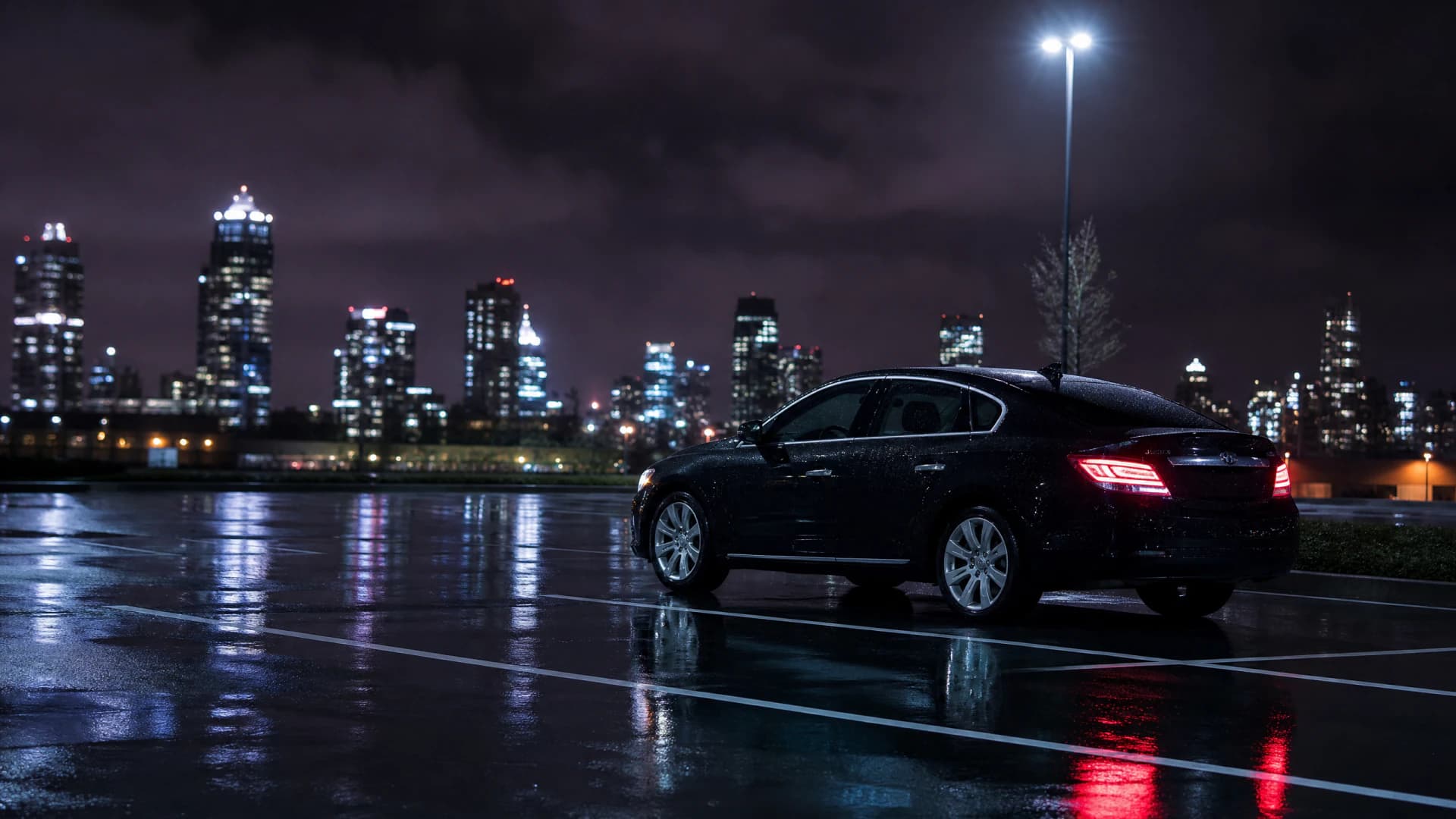
A single missed premium payment cancels the SR-22 filing electronically and re-suspends your restricted license the same day KDOR receives the lapse notice from your carrier.

The IID Requirement and SR-22 Work Together
Kansas law requires ignition interlock device installation as a condition of restricted driving privileges for all DUI-related suspensions. The IID and SR-22 filing are separate requirements—you cannot substitute one for the other. The IID physically prevents the vehicle from starting if your breath alcohol content exceeds a preset limit (typically 0.025% BAC). The SR-22 proves you carry liability insurance to cover damages if you cause an accident while driving under the court's restricted privileges.
You must install the IID in any vehicle you will drive under the restricted license, even if you do not own the vehicle. If you are borrowing a household member's car for work commutes, that vehicle requires IID installation at your expense. The approved IID provider reports compliance data to KDOR monthly—missed rolling retests, failed breath samples, or tampering events trigger violation notices that the court reviews. Three violations in any rolling 12-month period typically result in restricted license revocation.
The non-owner SR-22 policy does not cover IID installation costs, monthly lease fees, or calibration appointments. Budget approximately $75 to $150 for installation and $60 to $90 per month for the IID lease. Kansas does not waive the IID requirement based on financial hardship for DUI suspensions—if you cannot afford installation, the court will not grant restricted privileges.
3 years
Kansas SR-22 Maintenance Period
Kansas requires continuous SR-22 filing for three years post-reinstatement for DUI-related suspensions, measured from the date your full driving privileges are restored, not from the date you receive restricted privileges. The three-year clock does not start until you complete the underlying suspension period, pay the $50 reinstatement fee, and KDOR issues an unrestricted license. Any lapse during the three-year SR-22 maintenance period re-suspends your license and restarts the three-year requirement from zero.
K.S.A. 8-1002 and KDOR reinstatement policy
Carriers That Write Non-Owner SR-22 in Kansas
Not all carriers writing auto insurance in Kansas offer non-owner policies with SR-22 endorsement. Progressive, Geico, The General, and Dairyland explicitly advertise non-owner SR-22 coverage in Kansas and allow online quote requests or phone applications. State Farm writes SR-22 policies in Kansas but typically requires an agent appointment to evaluate non-owner applications—online quoting is not available for non-owner SR-22 through State Farm's Kansas portal. Bristol West and National General write non-standard auto insurance and SR-22 filings in Kansas but require broker contact—you cannot apply directly.
When comparing quotes, verify the carrier files electronically with KDOR. Some smaller regional carriers still use paper SR-22 forms, which Kansas no longer accepts. Ask explicitly whether the carrier transmits SR-22 certificates to the Kansas Division of Vehicles electronically and confirm the filing timeline—most carriers file within 24 to 72 hours, but a few take up to five business days, which delays your restricted license petition hearing if the court requires proof of active SR-22 at the time you file.
What Happens If You Buy a Car During the SR-22 Period
The moment you register a vehicle in Kansas, your non-owner SR-22 policy terminates. You cannot maintain both a non-owner policy and a standard auto policy simultaneously—the non-owner policy exists only for drivers with no insurable interest in a registered vehicle. Contact your carrier immediately when you register a vehicle and convert the non-owner policy to a standard auto policy with SR-22 endorsement. The carrier re-files the SR-22 certificate under the new policy number, and KDOR updates your record without interruption.
If you allow the non-owner policy to cancel without switching to a standard policy, KDOR receives an SR-22 lapse notice and re-suspends your restricted license and your eligibility for full reinstatement. The three-year SR-22 maintenance clock resets to zero. Switching policies mid-term does not reset the clock as long as the SR-22 filing remains continuous—no gap between the non-owner policy termination date and the standard policy effective date. Most carriers process this conversion within one business day if you call before registering the vehicle, but expect up to three days if you register the vehicle first and notify the carrier afterward. Plan this transition carefully to avoid accidental lapse.
How to Apply for Restricted Privileges with Non-Owner SR-22
File a petition with the district court in the county where your DUI case was adjudicated. Kansas does not offer administrative hardship licenses through KDOR for DUI suspensions—only the court can grant restricted privileges under K.S.A. 8-1015. Your petition must include proof of employment or necessity (letter from employer, school enrollment verification, or medical appointment documentation), proof of ignition interlock device installation from a state-approved IID provider, and the SR-22 certificate showing active non-owner liability coverage. The court reviews these documents and sets a hearing date if the petition is complete.
At the hearing, the judge determines whether your stated need qualifies for restricted privileges and defines the scope of your driving restrictions—typically limited to travel between home and work, school, medical appointments, IID service appointments, and court-ordered alcohol treatment or DUI education classes. Restrictions include specific time windows (usually tied to work hours plus reasonable commute time) and approved routes. The court order specifies these limits in writing, and violating them results in immediate revocation of restricted privileges and extension of your underlying suspension period.
Get Your Free Quote
Get My Kansas DUI Insurance QuoteFrequently Asked Questions
Can I get a restricted license in Kansas without owning a car?
Yes. Kansas restricted driving privileges for DUI suspensions require SR-22 proof of financial responsibility, not vehicle ownership. A non-owner SR-22 policy satisfies the court's insurance mandate even when you have no car registered in your name. You must still install an ignition interlock device in any vehicle you will drive under the restricted license.
How much does non-owner SR-22 insurance cost in Kansas?
Non-owner SR-22 policies in Kansas typically cost $25 to $50 per month for state minimum liability limits. This is lower than standard auto insurance because the carrier assumes less risk—you are not the primary driver of any registered vehicle. Rates vary by carrier and your DUI conviction date.
What happens if I miss a payment on my non-owner SR-22 policy?
The carrier electronically notifies KDOR the same day your policy lapses. KDOR immediately revokes your restricted license and your eligibility for full reinstatement. The three-year SR-22 maintenance period resets to zero. You must purchase a new policy, wait for the carrier to re-file the SR-22, and petition the court again for restricted privileges.
Do I need SR-22 if I only drive a borrowed car occasionally?
Yes, if your Kansas DUI suspension requires SR-22 filing under K.S.A. 8-1015. The SR-22 filing is tied to your driver record, not to how often you drive or whose vehicle you use. Kansas requires continuous SR-22 coverage for three years post-reinstatement regardless of driving frequency.
Can I switch from non-owner SR-22 to regular car insurance without restarting the three-year clock?
Yes, as long as the SR-22 filing remains continuous. Contact your carrier before you register a vehicle and convert the non-owner policy to a standard auto policy with SR-22 endorsement. The carrier re-files the SR-22 under the new policy number with no gap. Any lapse between the two policies resets the three-year maintenance period to zero.
Does non-owner SR-22 cover rental cars in Kansas?
Non-owner SR-22 provides secondary liability coverage when you drive a vehicle you do not own, including rental cars. The rental company's insurance pays first; your non-owner policy pays after their limits are exhausted. Non-owner SR-22 does not cover collision damage to the rental vehicle or your own injuries—only liability for damages you cause to others.