
Insurance After DUI — Kansas
Free to compare
Which Carriers Actually Write DUI Policies in Kansas
Your conviction came through last week and you've called four carriers. Three declined outright. The fourth quoted $340/month for liability-only with SR-22, nearly triple what you paid before the arrest. You're wondering if that's normal or if you're being quoted predatory rates because you don't know the market.
Kansas operates a two-track DUI suspension system: the Kansas Department of Revenue Division of Vehicles imposes an administrative license suspension the moment your arrest triggers an implied consent violation, and the criminal court adds a separate judicial suspension as part of sentencing. Both run concurrently or consecutively depending on timing, and both require separate reinstatement steps. The insurance piece sits at the intersection: your SR-22 filing must stay active through the entire administrative suspension period (typically 1 year from reinstatement) or the Division of Vehicles re-suspends your license automatically. Not every carrier will write that policy, and the ones that do price the risk very differently.
“Kansas treats administrative and court DUI suspensions as separate obligations — satisfying one does not satisfy the other, and your SR-22 period doesn't start until DOR reinstatement.”

Compare Kansas Rates for Drivers With a DUI
Get My Kansas DUI Insurance Quote30 days hard, 330 restricted
First-Offense DUI Administrative Suspension
Under K.S.A. 8-1002, the Kansas DOR imposes a 30-day hard suspension (no driving at all) followed by 330 days of restricted driving privileges for first-offense DUI arrests. This runs independently of any court-imposed suspension and requires ignition interlock device installation to access the restricted period.
K.S.A. 8-1002 (Kansas implied consent statute)
The Administrative vs Court Suspension Split
The administrative suspension starts the day the Division of Vehicles processes your arrest paperwork, not the day you're convicted in court. Court suspension doesn't start until sentencing. If your court case drags out for six months, you may serve most of the administrative suspension before the court suspension even begins. The structural confusion: drivers assume one suspension covers both, but Kansas treats them as separate obligations with separate reinstatement requirements.
The DOR administrative track requires SR-22 proof of insurance, payment of a $200 reinstatement fee, completion of an alcohol evaluation and any recommended treatment, and ignition interlock device installation before you can access restricted driving privileges. The court track may add additional requirements: DUI education courses, probation compliance, community service, or court-ordered treatment. You must satisfy both independently before full driving privileges are restored.
This split matters for insurance because your SR-22 filing period is measured from your DOR reinstatement date, not your conviction date. If you wait to get insurance until after court sentencing, you've already burned months of the administrative suspension period without coverage in place, and you cannot access restricted driving privileges (the 330-day window after the 30-day hard period) without SR-22 on file and an ignition interlock device installed.
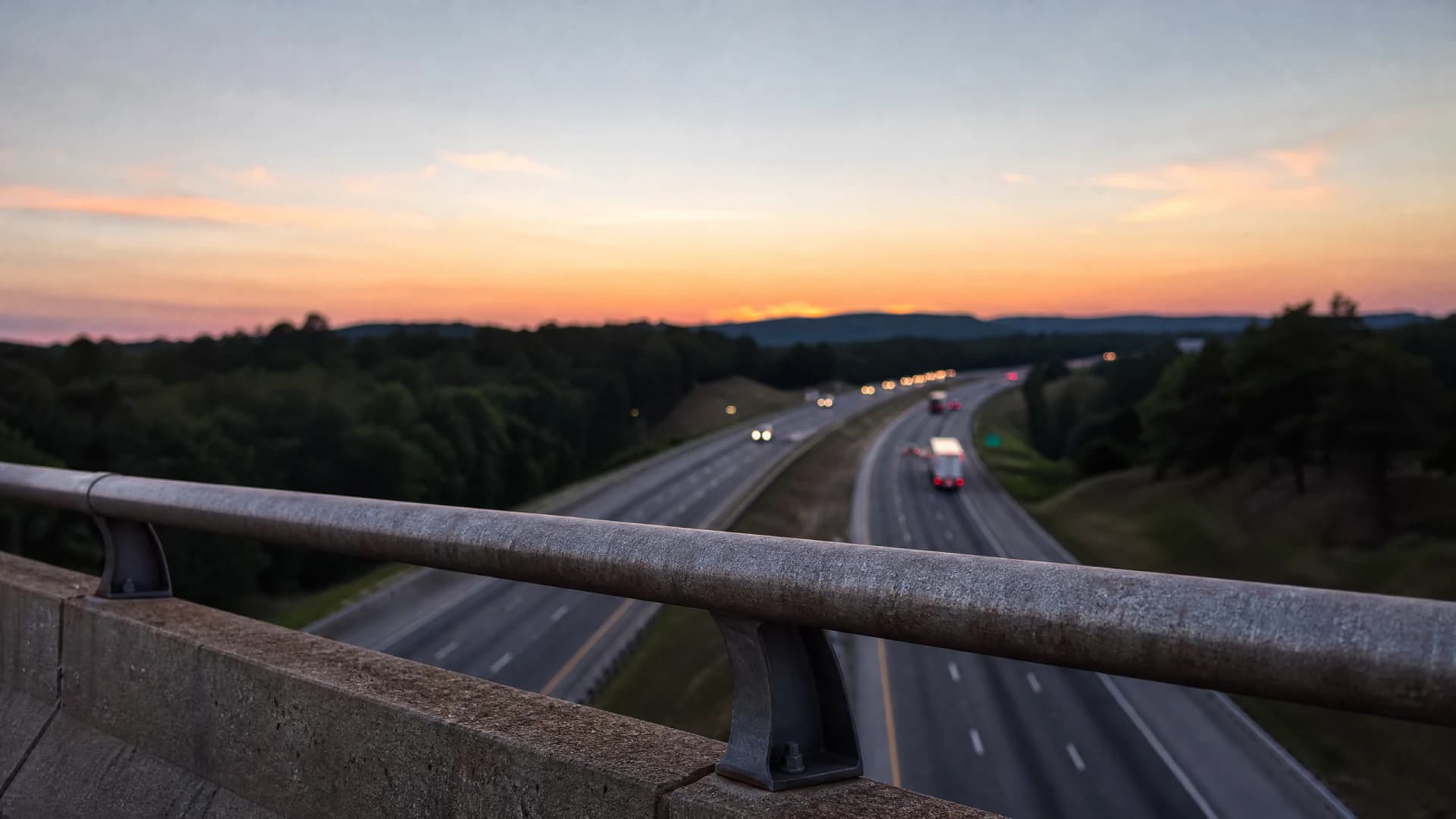
Most Kansas DUI drivers cannot get restricted driving privileges until SR-22 is filed and an ignition interlock device is installed — waiting to shop insurance until after sentencing locks you out of legal driving during the longest part of your suspension.





Non-Owner Policies and When They Apply
If you sold your car after the arrest or don't currently own a vehicle, you still need insurance to satisfy the SR-22 requirement. Kansas DOR does not care whether you own a car — the SR-22 filing proves you carry continuous liability coverage, which is a condition of reinstatement and restricted driving privileges. A non-owner SR-22 policy meets this requirement and costs significantly less than an owner policy.
Non-owner policies provide liability coverage when you drive a vehicle you don't own: a borrowed car, a rental, a friend's vehicle. They do not cover a vehicle you own or a vehicle registered in your household. If you live with someone who owns a car and you're listed on the registration or title, you need an owner policy, not a non-owner policy. If you're not on the registration and you don't own a car yourself, non-owner is the correct product.
Typical non-owner SR-22 premiums in Kansas: $95–$190/month depending on carrier, age, and county. Geico, Progressive, USAA, The General, and Dairyland all offer non-owner SR-22 policies in Kansas. Coverage limits must meet or exceed Kansas minimums: $25,000 bodily injury per person, $50,000 per accident, $25,000 property damage, plus PIP and uninsured motorist coverage as required by state law.
1 year
Kansas SR-22 Filing Period for DUI
Kansas requires SR-22 filing for 1 year from the date of reinstatement for DUI-related suspensions. If your SR-22 lapses at any point during this period — because you cancel the policy, miss a payment, or switch carriers without maintaining continuous coverage — KDOR automatically re-suspends your license and you start the filing period over from the new reinstatement date.
Kansas Division of Vehicles reinstatement requirements (ksrevenue.gov)

What Happens If You Let SR-22 Lapse
Kansas uses an electronic insurance verification system where carriers report policy cancellations and lapses to the Division of Vehicles in real time. If your policy cancels for non-payment or you drop coverage without immediately replacing it with another SR-22 policy, KDOR receives the cancellation notice within days and issues an automatic suspension. You will not receive advance warning. The suspension is immediate.
Reinstatement after an SR-22 lapse requires filing a new SR-22 certificate, paying another $200 reinstatement fee, and restarting the 1-year SR-22 filing period from the new reinstatement date. If you were six months into your original filing period when the lapse occurred, you do not pick up where you left off — you start the full 1-year clock over. This is the single most expensive mistake Kansas DUI drivers make: assuming a brief lapse won't trigger consequences, then discovering they've added another year to their SR-22 requirement and another $200 fee.
Shopping Carriers: Start Now, Not After Sentencing
The 30-day hard suspension period after a Kansas DUI arrest is non-negotiable: you cannot drive at all, even with SR-22 and an ignition interlock device. But the 330-day restricted period that follows is only accessible if you have SR-22 on file and an IID installed before the hard period ends. Waiting until after court sentencing to get insurance means you miss weeks or months of restricted driving eligibility while your court case drags out.
Get quotes from at least three carriers as soon as your administrative suspension notice arrives. Geico and Progressive both quote online and can bind coverage immediately. State Farm, The General, and Dairyland require phone or agent contact but can still issue policies and file SR-22 within 1-3 business days. If you're comparing standard-tier and non-standard carriers, request quotes from one in each category: the rate spread between Geico and Bristol West can exceed $100/month, and you won't know which tier will approve your application until you apply. Compare premiums, compare filing speed, and confirm the carrier files SR-22 electronically with Kansas KDOR — paper filings take longer and create gaps that trigger re-suspension.
Non-Standard Carriers Writing Kansas DUI Policies
Geico, Progressive, and State Farm write post-DUI policies in Kansas and file SR-22 electronically with KDOR. All three offer both standard owner policies and non-owner SR-22 policies for drivers without a registered vehicle. Geico and Progressive quote online; State Farm requires an agent appointment. Expect monthly premiums in the $180–$310 range for liability-only owner policies with SR-22, and $95–$160/month for non-owner SR-22 policies. Your actual rate depends on age, county, and whether this is a first or second offense.
The General, Dairyland, and Bristol West specialize in non-standard and high-risk coverage. All three write Kansas DUI policies and file SR-22. The General and Dairyland offer online quotes; Bristol West requires broker contact. Monthly premiums for these carriers typically range $210–$370 for owner policies and $110–$190 for non-owner. These carriers price higher than standard-tier options but approve applications other carriers decline, particularly for drivers with multiple violations or lapses in the past three years.
Get Your Free Quote
Get My Kansas DUI Insurance QuoteFrequently Asked Questions
Do I need SR-22 insurance if my Kansas DUI case is still pending in court?
Yes, if you want restricted driving privileges during the 330-day restricted period following your 30-day hard suspension. The administrative suspension imposed by Kansas DOR starts when your arrest is processed, not when you're convicted. SR-22 filing and ignition interlock installation are required to access any driving during the restricted period, regardless of whether your court case has concluded.
How much does SR-22 insurance cost in Kansas after a DUI?
Monthly premiums for liability-only policies with SR-22 typically range $180–$310 for vehicle owners and $95–$160 for non-owner policies, depending on age, county, carrier, and whether this is a first or second offense. Non-standard carriers (The General, Bristol West, Dairyland) price higher but approve applications standard-tier carriers decline. Rates reflect Kansas minimum liability limits plus required PIP and uninsured motorist coverage.
What happens if I cancel my SR-22 policy before the 1-year filing period ends?
Kansas Division of Vehicles receives electronic cancellation notices from carriers in real time and automatically re-suspends your license the day coverage lapses. Reinstatement requires filing a new SR-22, paying another $200 reinstatement fee, and restarting the full 1-year SR-22 period from the new reinstatement date. You do not pick up where you left off — the clock resets completely.
Can I get a non-owner SR-22 policy if I live with someone who owns a car?
Only if you are not listed on the vehicle's registration or title. If you're listed as an owner or co-owner on any household vehicle, you need a standard owner policy, not a non-owner policy. Non-owner SR-22 policies cover liability when you drive vehicles you don't own and aren't registered to, but exclude vehicles titled or registered in your name or household.
Which Kansas insurance companies file SR-22 electronically with KDOR?
Geico, Progressive, State Farm, The General, Dairyland, and Bristol West all file SR-22 certificates electronically with the Kansas Division of Vehicles. Electronic filing posts to your driving record within 1-3 business days. Paper SR-22 filings take longer and create coverage gaps that can trigger automatic re-suspension, so confirm electronic filing capability before binding any policy.
Do I need an ignition interlock device to get restricted driving privileges after a Kansas DUI?
Yes. Kansas requires ignition interlock device installation as a condition of restricted driving privileges for all DUI-related administrative suspensions under K.S.A. 8-1015. You cannot access the 330-day restricted driving period following your 30-day hard suspension without an IID installed and SR-22 on file. The device must remain installed for the duration of the restricted period and is monitored by the Division of Vehicles.